
Introduction
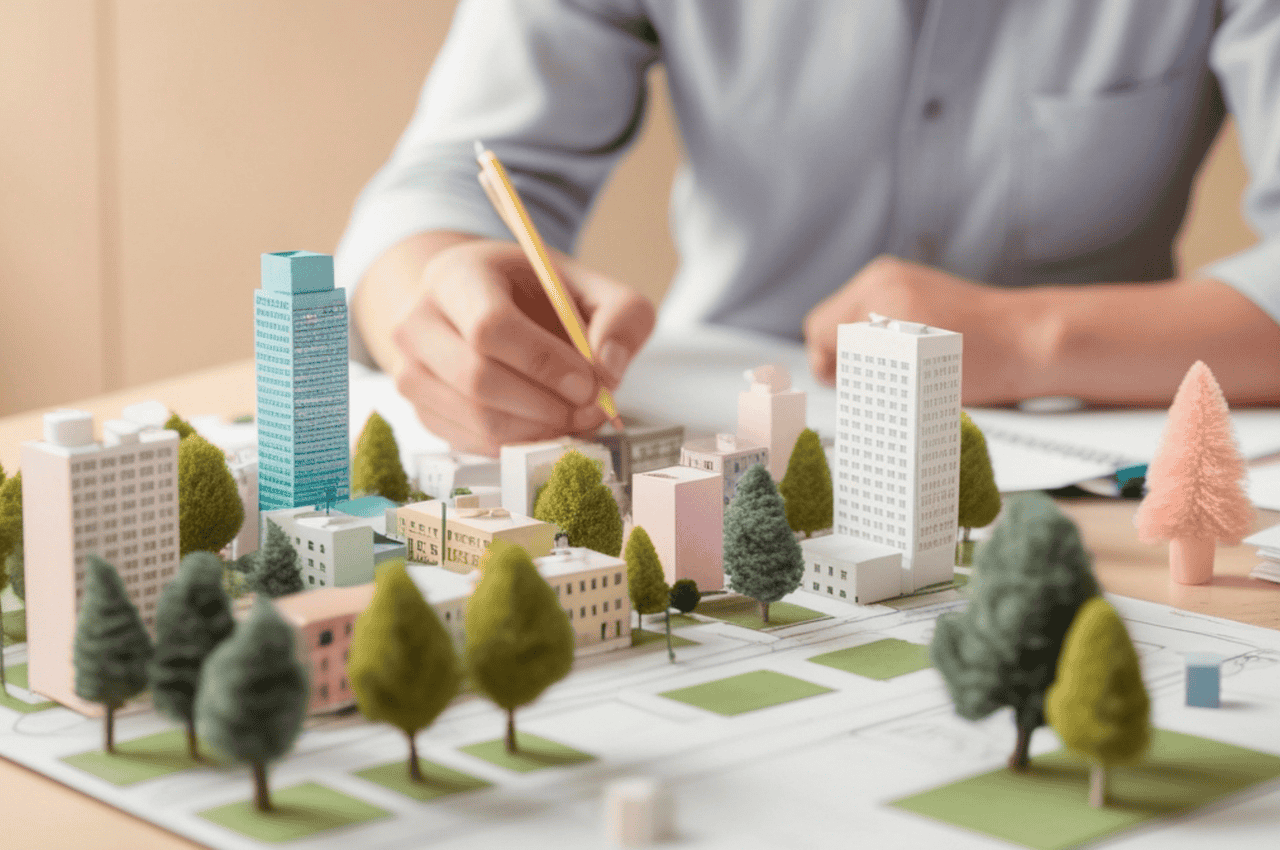
From simple paint-and-flooring upgrades to complex transformations involving custom carpentry, smart-home integration, and layout reconfigurations, homeowners are now looking for more streamlined and professional solutions. One of the fastest-growing trends is the Design and Build (D&B) approach, where a single company handles both the design and construction phases of a renovation project. Instead of coordinating multiple contractors and designers, homeowners can rely on a single point of responsibility, which offers convenience, efficiency, and peace of mind.
The rising popularity of Design & Build reflects changing homeowner expectations, lifestyle demands, and a desire for predictable outcomes. More Malaysians are choosing this approach to avoid delays, control costs, and achieve a cohesive design vision that aligns with modern living standards.
1. The Complexity of Modern Renovations
Modern home renovations are no longer limited to cosmetic changes. Today, homeowners often require:
- Open-concept layouts that connect living and dining areas
- Custom kitchen designs with dry and wet zones
- Integrated storage and smart furniture solutions
- Home offices, gym spaces, or entertainment zones
- Modern lighting, HVAC systems, and electrical upgrades
Managing these multiple elements can be challenging, especially when hiring separate contractors for design and construction. Miscommunication, mismatched timelines, and rework are common problems in traditional renovation methods. Design & Build addresses this by integrating all aspects of the renovation under one team, allowing the design and construction processes to complement each other seamlessly.
2. Cost Control and Budget Transparency
A key reason why Malaysians are moving toward Design & Build is cost predictability. One of the main frustrations in traditional renovations is additional expenses. Homeowners often encounter:
- Additional labor charges for unplanned work
- Price increases for materials mid-project
- Design changes that exceed the initial budget
- Hidden costs for structural adjustments or electrical upgrades
Design & Build companies mitigate these issues by creating designs that align with the homeowner’s budget from the start. Material selections, layout decisions, and structural plans are carefully coordinated, which reduces the risk of cost overruns. Homeowners can approve all expenses upfront, ensuring the project stays within their financial plan.
3. Faster Project Completion
Time is another important advantage of Design & Build. In the conventional approach, delays are common because the designer and contractor work separately. Work cannot start until drawings are finalized, materials are ordered, and measurements are verified. Any miscommunication can cause further delays.
Design & Build firms operate on a consolidated timeline. Since the design and construction teams work together from the beginning, the project progresses more smoothly. Materials are sourced according to the construction schedule, and adjustments are made internally without holding up the entire process. For busy homeowners or those renting while renovating, a faster completion timeline is a good benefit.
4. Single Point of Accountability
Accountability is one of the main pain points in traditional renovations. When mistakes occur—such as poorly installed cabinets, plumbing errors, or mismatched finishes—homeowners often find themselves caught between a designer and a contractor, each blaming the other.
With Design & Build, there is only one responsible party. The company takes full accountability for both design and construction. This simplifies communication and ensures issues are addressed promptly. Homeowners no longer need to manage disputes between multiple parties, which reduces stress and improves the overall renovation experience.
5. Professional Guidance Throughout the Process
Many homeowners prefer Design & Build because it offers professional assistance at all stages. From initial concept to the final finishing touches, the team guides homeowners in:
- Developing functional layouts
- Choosing materials and finishes
- Selecting furniture and lighting
- Coordinating electrical, plumbing, and carpentry works
- Implementing smart home technology
This professional oversight ensures that the outcome not only looks good but also meets practical and technical requirements. Instead of making costly mistakes through trial and error, homeowners can rely on experts to guide decisions efficiently.
6. Customization to Fit Modern Lifestyles
Malaysian homeowners are increasingly demanding homes that suit their lifestyles and reflect personal preferences. Some trends influencing design choices include:
- Minimalist or Japandi-inspired aesthetics for a calm, functional home
- Open kitchens with islands or breakfast bars
- Dedicated home offices or study areas for remote work
- Walk-in wardrobes and organized storage solutions
- Resort-style bathrooms and outdoor living spaces
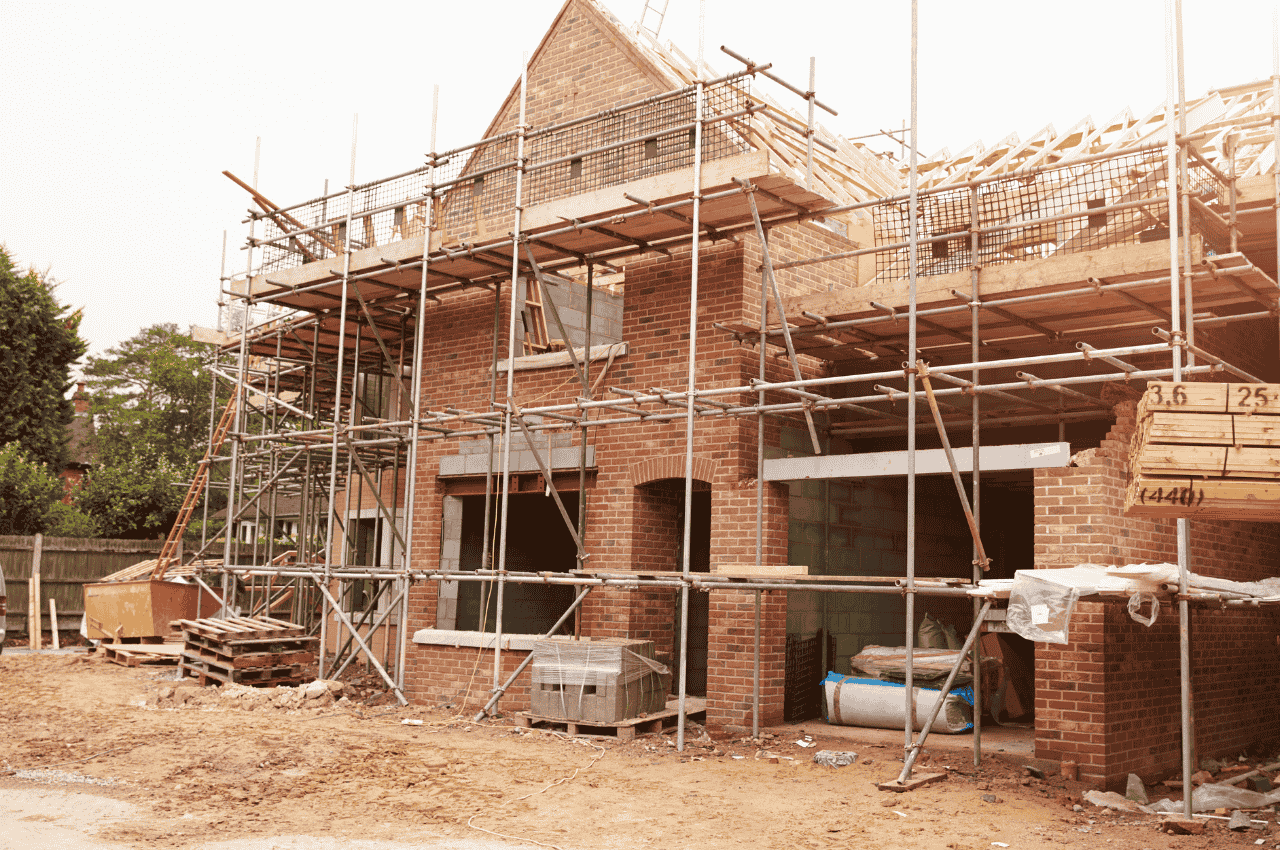
Design & Build firms are well-equipped to deliver customised solutions because the design team works hand-in-hand with the construction team. This integration ensures unique features, accurate measurements and technical requirements are perfectly implemented.
7. Quality Assurance and Professional Standards
Design & Build projects often adhere to strict quality control procedures, including:
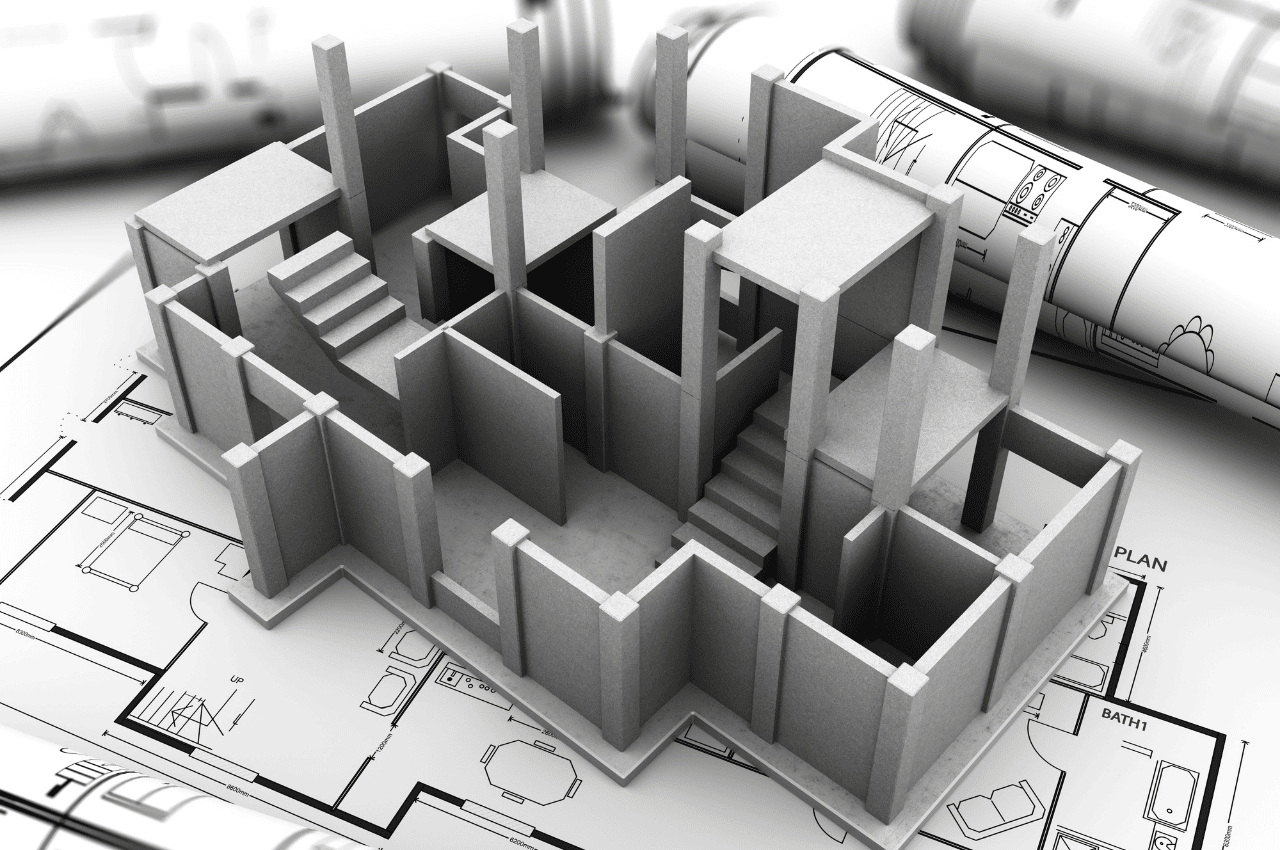
- Detailed 2D and 3D design drawings
- Mechanical, electrical, and plumbing plans
- Material verification before installation
- Regular site inspections
- Handover inspections with warranty documentation
This level of professional management is often missing in traditional renovations, where homeowners must oversee multiple contractors themselves. As a result, Design & Build projects tend to have cleaner finishes, fewer defects, and better overall quality.
8. Better Communication and Decision-Making
Effective communication is vital to a successful renovation. Misunderstandings can lead to errors, delays, and frustration. Design & Build firms streamline communication by coordinating internally before consulting homeowners. This approach ensures:
- Clear explanations of design and material choices
- Insight into how changes affect timelines and budgets
- Reduced risk of conflicting instructions
- Faster decision-making
Homeowners benefit from a single point of contact while staying informed about every phase of the project.

9. Long-Term Value and Peace of Mind
Although some assume that Design & Build may be more expensive upfront, the long-term value often outweighs the initial cost. Benefits include:
- Reduced risk of rework or errors
- Lower likelihood of hidden costs
- Professional warranty coverage for workmanship
- Enhanced property value due to cohesive and high-quality design
For homeowners planning to stay in their homes long-term, investing in a Design & Build renovation ensures durability, functionality, and satisfaction.
Conclusion
The growing preference for Design & Build among Malaysians reflects changing lifestyles, rising property values , and the need for professional, stress-free renovation solutions. Homeowners want a streamlined process that integrates design and construction, provides transparent cost control, delivers high-quality results, and offers single-point accountability. With Design & Build, homeowners can enjoy a more predictable, faster, and professionally managed renovation experience, resulting in a home that is functional, stylish, and tailored to their unique needs.
In an increasingly complex renovation landscape, Design & Build has proven itself as the most reliable approach for Malaysian homeowners seeking efficiency, quality, and peace of mind.